
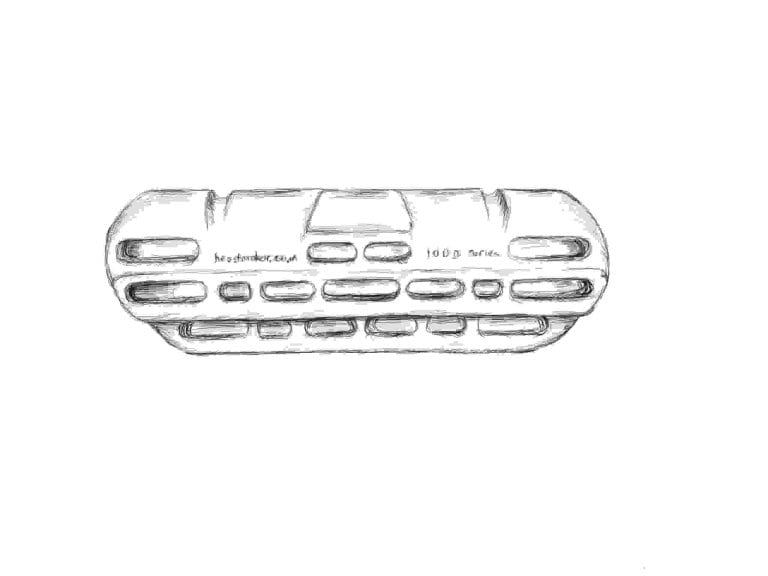
If the goal is stronger fingers, the quality of each hang matters more than the amount of fatigue you can survive. That is why a good finger-strength session should not feel like a forearm-destroying conditioning workout. It should feel controlled, repeatable, and specific.
Supplemental training should support climbing, not compete with it. If a workout leaves you too exhausted to climb well, then even a “good” exercise may be poorly prescribed.
Early in a climber’s development, performance improves rapidly because there is so much technique to gain. The body is adapting too, but the biggest changes usually come from learning the sport. Better movement unlocks more climbing before the physical ceiling becomes obvious.
Every climber knows the difference between an “on day” and an “off day.” Some days the body feels sharp, the feet find the holds, and the movement makes sense. Other days, everything feels heavier than it should.

“It hits the key principles of progressive training effectively and gives readers a well-structured, easy to understand path to apply moving forward,” M. M.
“Training Guide for Climbers presents training in a very accessible context, far more so than other works with a similar aim,” S.H.
What you’ll find is sound and thoughtful advice on training programming and planning based on science and real-world experience.” R. W.
This is more than just a book about training, it’s a legacy artifact,” B. D.
“Training Guide for Climbers is an understandable, concise, and easy to use resource for everyone from beginner to the highly experienced trainee,” K.L
“Get equipped with inspiring information and start moving forward with your own relationship to training for climbing,” S.M.
“I’m personally grateful to Rob for setting me on a path of learning and pursuing both training and climbing in a different way,” J. U.
Send me an email, and I'll get back to you as soon as I can.